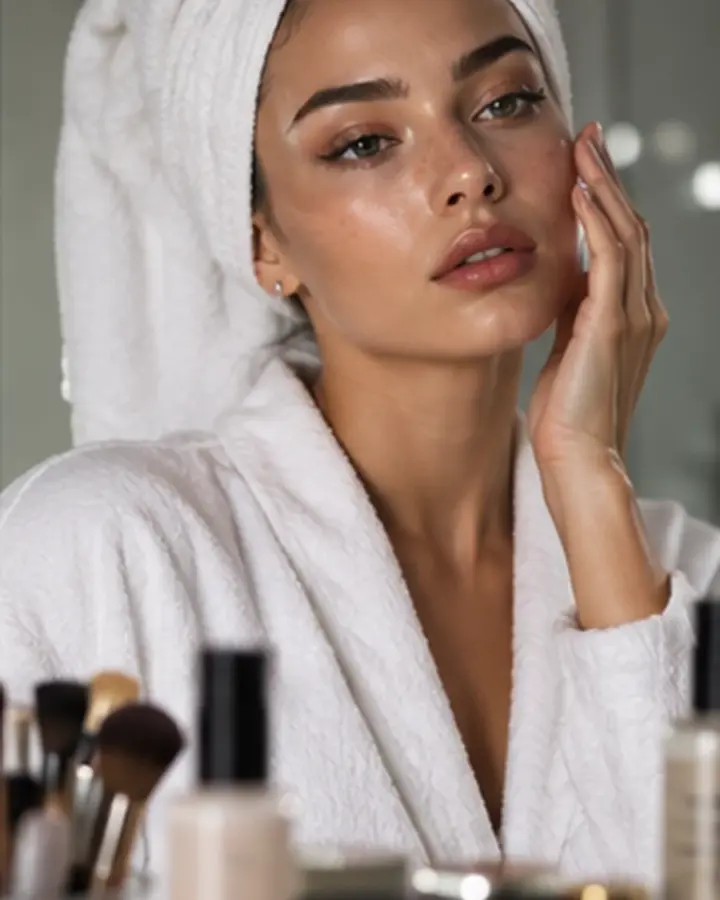
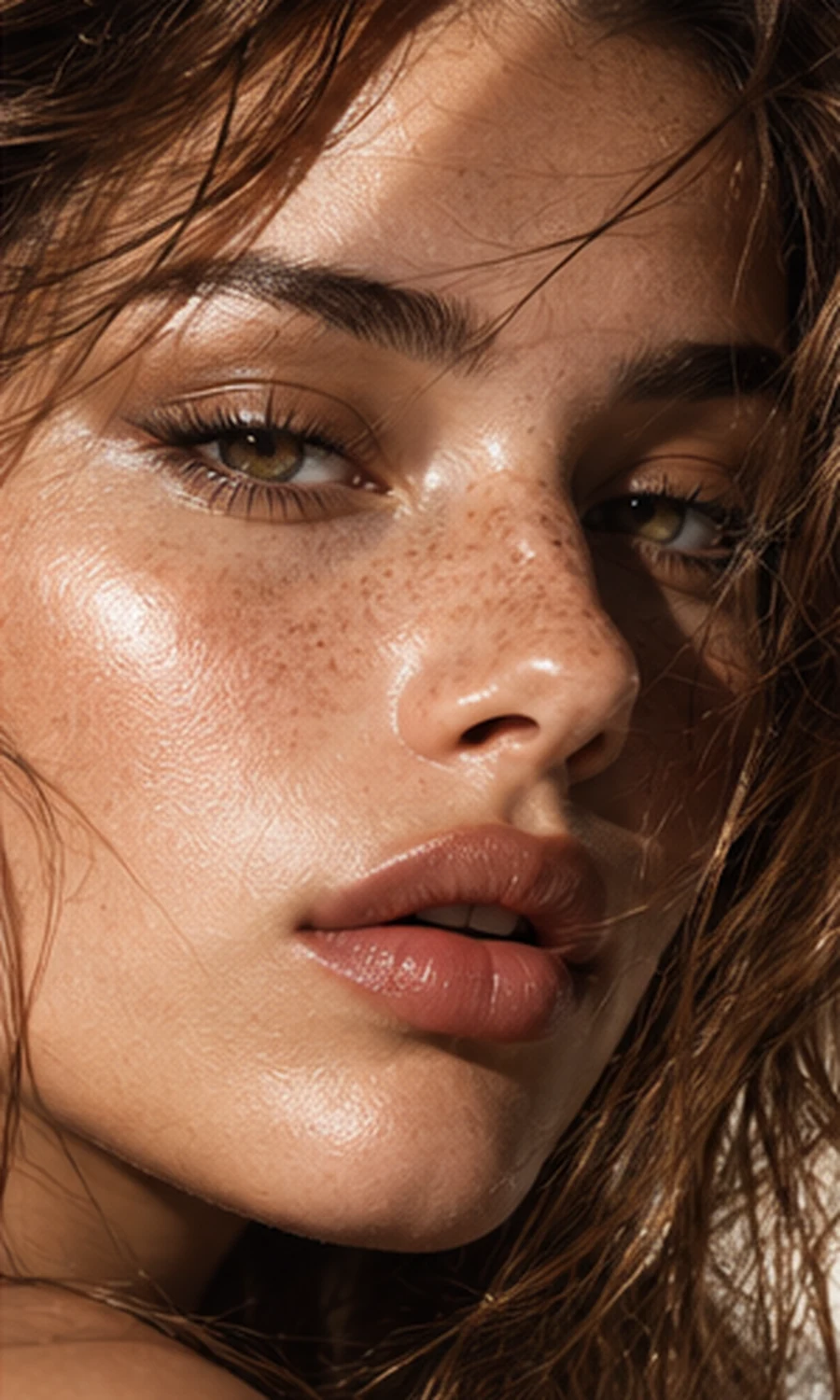
Define the beauty story
A beauty image might focus on skin texture, a graphic makeup look, hair shape or a particular product. Identify the central feature before choosing lighting and composition. A clear brief prevents the team from competing for attention.
Choose light for the result
Large soft sources can create gentle transitions across the face, while more directional light emphasises form and texture. Neither approach is automatically superior. Test the lighting against the makeup and skin finish rather than relying on a standard setup.
Work closely with the beauty team
Hair and makeup artists need time for preparation and adjustments. Share close-up references and discuss which details must remain visible. Check how colours reproduce under the actual lights, especially when mixing daylight and artificial sources.
Direct subtle movement
Small changes in chin angle, eye direction and hand placement can transform a close-up. Give precise, respectful direction and allow pauses for the model to relax. Avoid uncomfortable positions that are difficult to sustain.
Retouch with care
Editing can correct temporary distractions and technical issues without erasing natural identity. Over-smoothing skin or changing facial structure may undermine trust and misrepresent products. Agree the desired level of retouching before delivery.
Finish with accurate credits
Record the names and roles of the creative team and identify products only when verified. Obtain permission for editorial use and any promotional reuse. Good beauty publishing combines polished visuals with transparent attribution.
A useful beauty lighting test
Make one reference frame before final makeup adjustments. Inspect how light reveals skin texture, reflects in the eyes and interacts with shimmer or gloss. If the photograph is meant to show a product colour accurately, review the result on a calibrated display where available and avoid creative colour shifts that misrepresent it.
Retouching and trust
Agree which changes are acceptable before editing. Removing a temporary stray hair or correcting a colour cast is different from altering facial structure or erasing defining features. Keep an original reference and review the finished images with the creative brief in mind. The goal is a polished image that remains truthful to the person and the work.
Further reading from La Modelle
Editorial note: This guide provides general information. Requirements and working practices vary by location, agency and assignment.