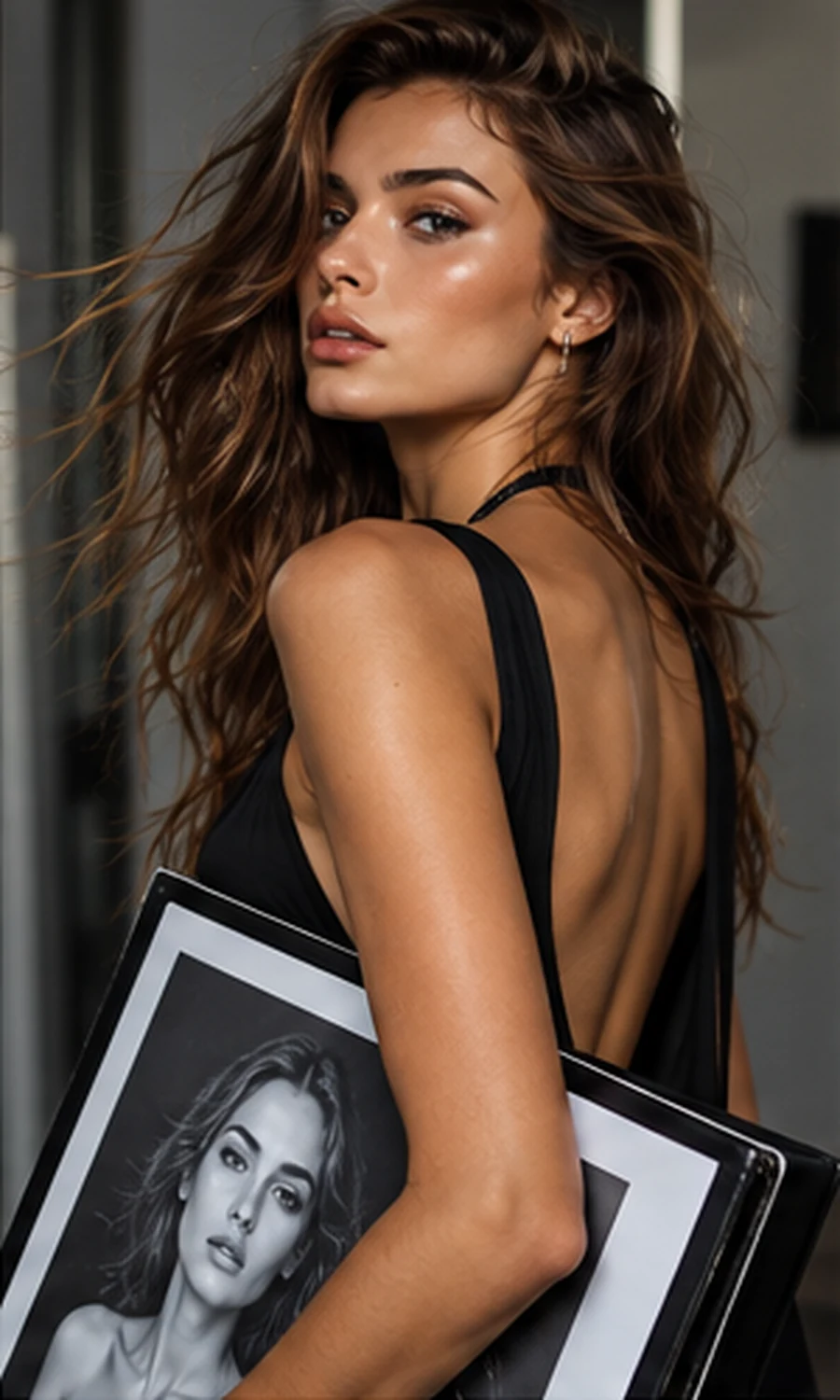
Decide who the portfolio is for
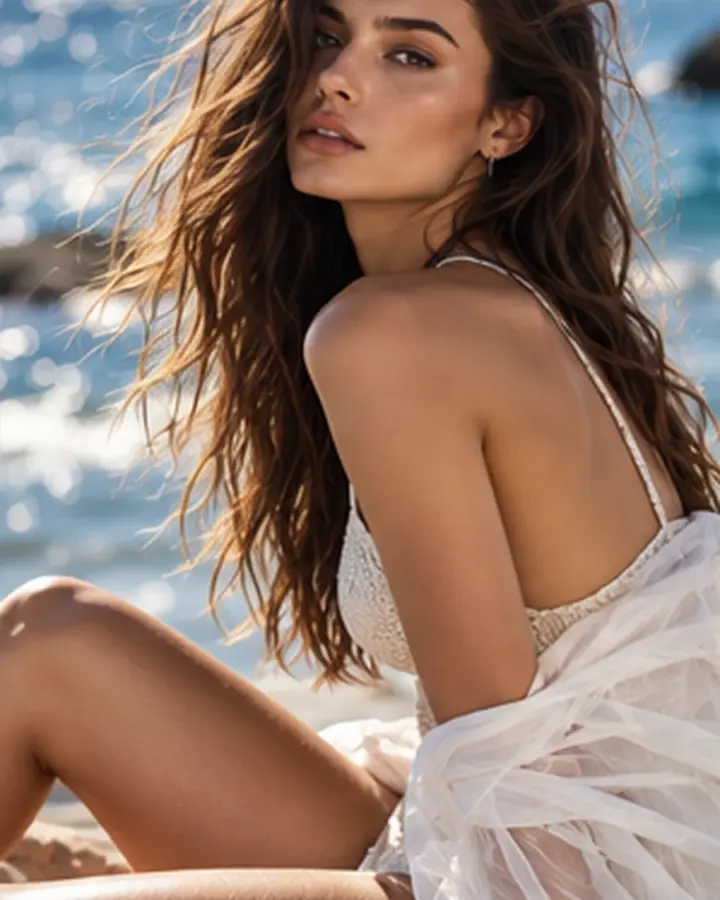
An editorial portfolio might demonstrate character, movement and styling; a commercial portfolio often benefits from warmth, approachability and believable everyday scenarios. Build for the opportunities you are seeking, not simply for the largest number of images.
Lead with your strongest work
Choose a compelling opening portrait and follow it with a balanced sequence: full-length fashion, close-up, movement and one or two different moods. Remove repetitive images, even when each is technically good. A concise edit respects a casting professional’s time.
Plan useful test shoots
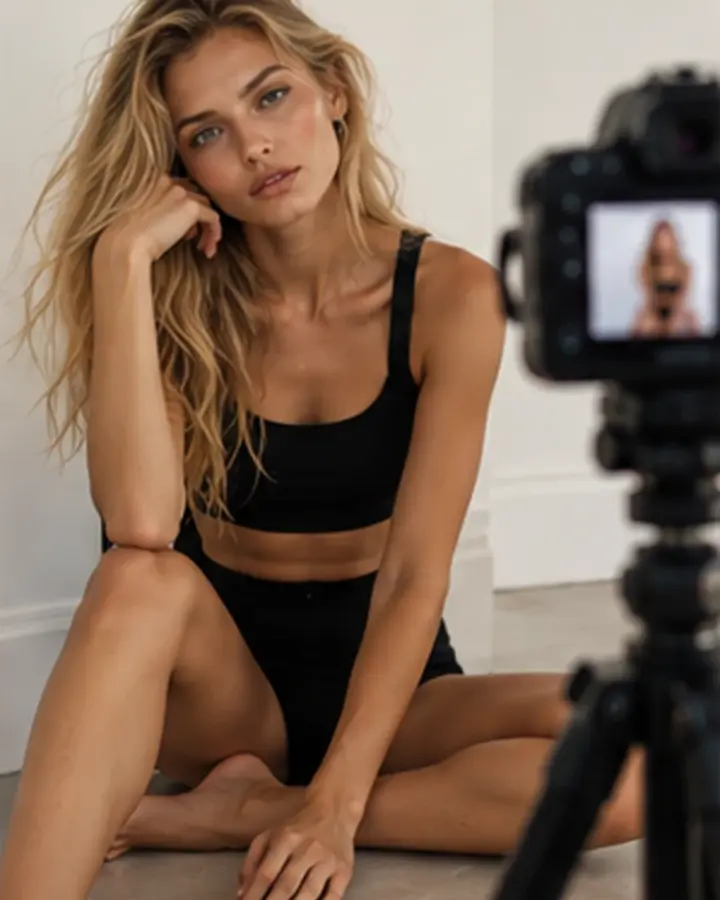
Before booking a test, identify the gaps in your existing portfolio. Agree a mood board, wardrobe, team and intended deliverables. Confirm whether the collaboration is paid, unpaid or a trade arrangement, and put the image-use terms in writing.
Respect rights and credits
Photographers generally hold copyright in their photographs unless an agreement says otherwise. Permission to post an image on social media does not automatically permit magazine publication or advertising. Retain written permissions and accurate photographer, stylist and makeup credits.
Make the portfolio easy to use
A simple website or digital portfolio should load quickly, work on phones and show your current location, representation and professional contact route. Avoid autoplay music, intrusive pop-ups and files that require a download just to preview your work.
Review and refresh
Replace weaker images as your work improves. Keep separate edits for different clients when useful, and update measurements and contact details promptly. A portfolio is a living selection of your best relevant work, not a permanent archive of every shoot.
How to sequence a portfolio
Open with an image that clearly shows your face, then vary the pace with full-length fashion, movement and a different expression or mood. Avoid placing several near-identical photographs together. Ask someone familiar with casting to review the selection without explaining the shoot concepts first: the images should communicate their strengths on their own.
What to agree before a test shoot
Confirm the people involved, location, timing, wardrobe, compensation and delivery schedule. Clarify whether you may use the photographs on your website, whether the photographer may submit them to publications and how everyone should be credited. Save those agreements in writing. A good test shoot creates useful work for the entire team without leaving image rights ambiguous.
Further reading from La Modelle
Editorial note: This guide provides general information. Requirements and working practices vary by location, agency and assignment.