Think in transitions
Good posing often comes from movement rather than holding a single rigid position. Shift your weight, take a small step or turn your shoulders gradually while the photographer shoots. Each transition creates a slightly different line.
Build from posture
Start with balanced feet and a long, comfortable spine. Relax your shoulders and avoid locking your knees. Small changes to hip and shoulder angles can create shape without forcing the body into an uncomfortable position.
Give your hands a purpose
Hands often look awkward when you focus on them too much. Lightly touch a jacket lapel, rest a hand near a pocket or let your arms move naturally as you walk. Keep fingers relaxed and avoid gripping fabric tightly unless the concept calls for tension.
Use your eyes and face
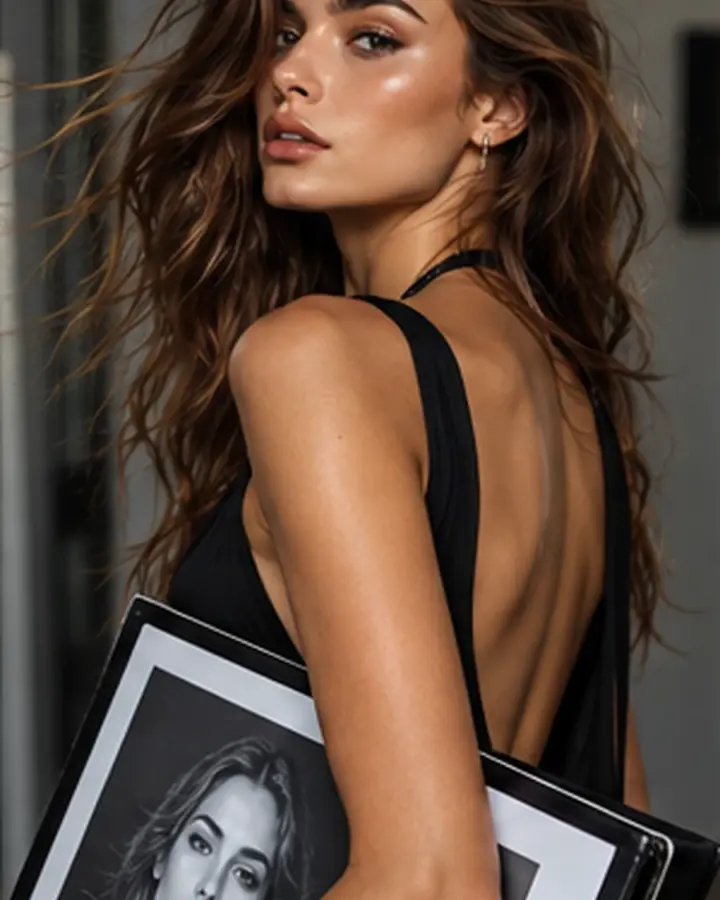
Try a neutral gaze, a slight smile and a more thoughtful expression. Change one thing at a time so you understand how it reads on camera. A small adjustment in chin angle can affect light and mood more than an exaggerated facial expression.
Respond to the clothes
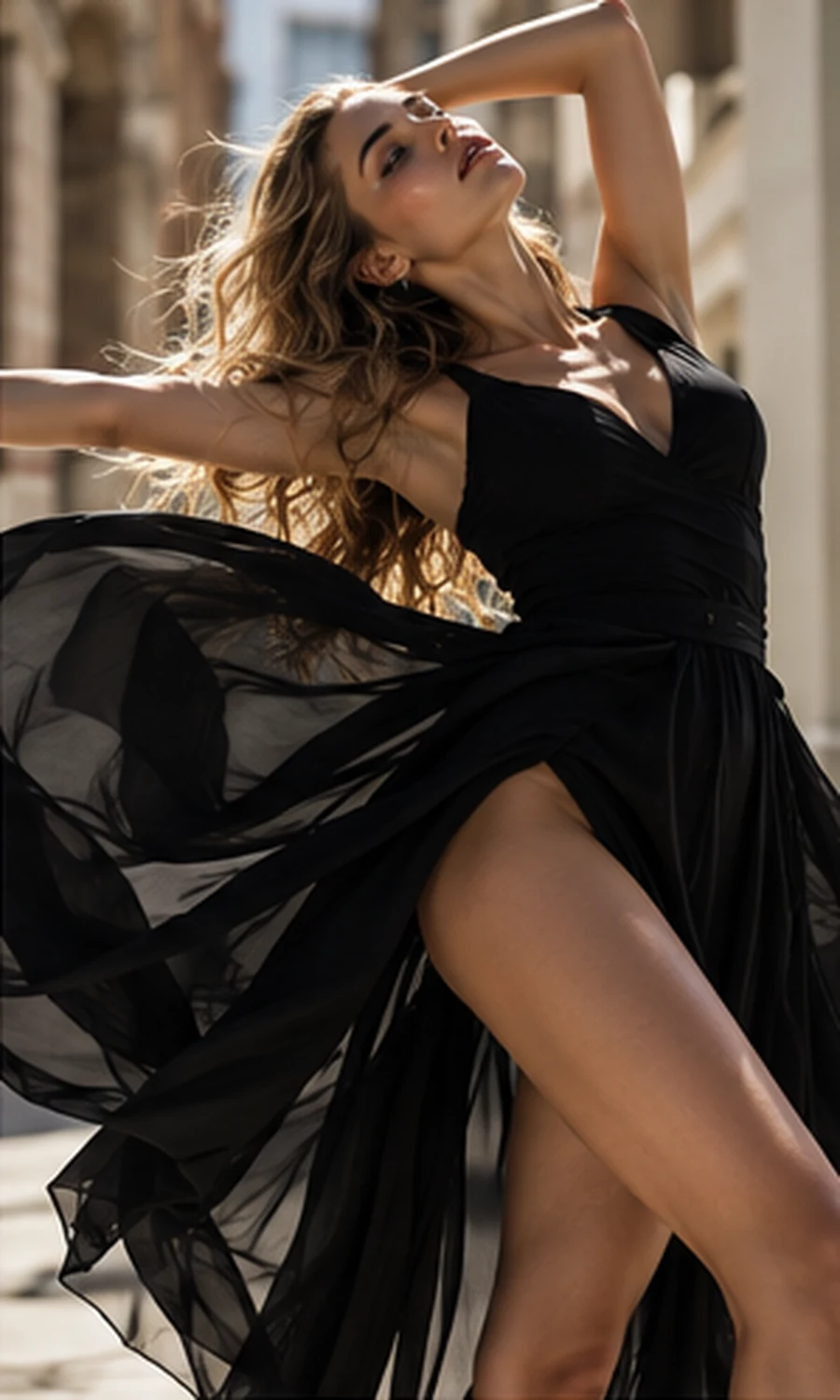
A structured coat may suit sharp angles; flowing fabric often benefits from walking or turning. Work with the garment rather than obscuring it. If a pose hides the key design detail, adjust the body or hands.
Practice and review
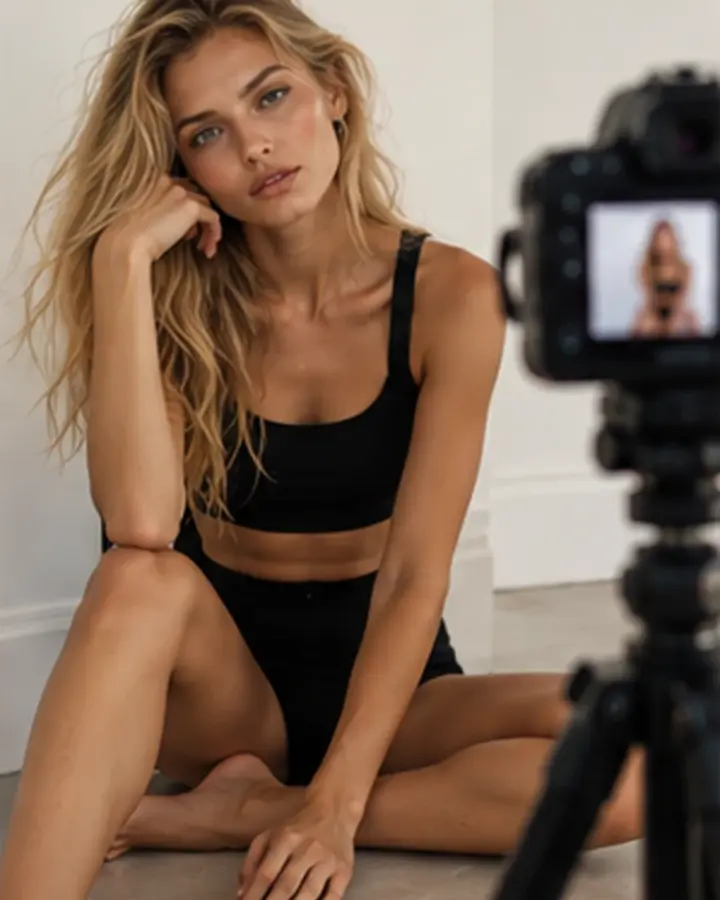
Record short videos or use a camera timer to observe your transitions. Review the results for comfort, variety and clear lines. Communicate with the photographer about what is working. The aim is expressive control, not memorising a fixed list of poses.
A five-frame practice sequence
Begin standing naturally with your weight balanced. For the second frame, shift weight to one leg. For the third, rotate your shoulders slightly. For the fourth, move one hand lightly towards a jacket or pocket. For the fifth, change only your eye line. Reviewing these frames side by side reveals how small changes affect the silhouette and mood.
Work with the photographer
Ask what the photograph needs to communicate and whether the clothing or face is the priority. Listen for simple direction such as “turn a little towards the light” or “relax your fingers”. If a pose causes pain or feels unsafe, say so and choose an alternative. Strong posing is collaborative and repeatable, not a contest to hold uncomfortable positions.
Further reading from La Modelle
Editorial note: This guide provides general information. Requirements and working practices vary by location, agency and assignment.